RECOVERING LOST TREASURES
The Sulaymaniyah Museum (also known as the Slemani Museum) is a gem of an archaeological institution located in the heart of the city. Its collection spans millennia, with artefacts dating from the prehistoric era through the late Islamic and Ottoman periods.
Like Hero, the museum’s curators are fiercely protective of their national heritage. Jonah X spoke with one academic who, outraged by widespread looting, took it upon himself to enter territory controlled by ISIS to recover stolen antiquities—an effort that very nearly cost him his life.
The Head of the Antiquities Directorate later showed us some of the recovered objects. In total, an extraordinary 10,000 artefacts have been retrieved. However, despite their scale and importance, the museum currently lacks the resources to safely unpack, conserve, and document these objects, which remain stored in basement crates.
Jonah X will partner with the Sulaymaniyah Museum’s curatorial team to support the conservation and cataloguing of this collection- digitizing records of trafficking networks, and developing educational programs to raise awareness about looting, thereby laying the groundwork for long-term protection. The ultimate goal is to present these recovered treasures in a public exhibition, returning them - securely and visibly - to the people of Kurdistan.
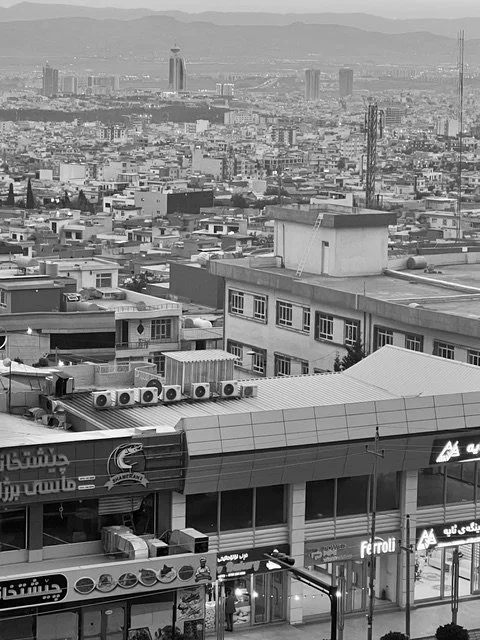
The city of Sulaymaniyah, Kurdistan.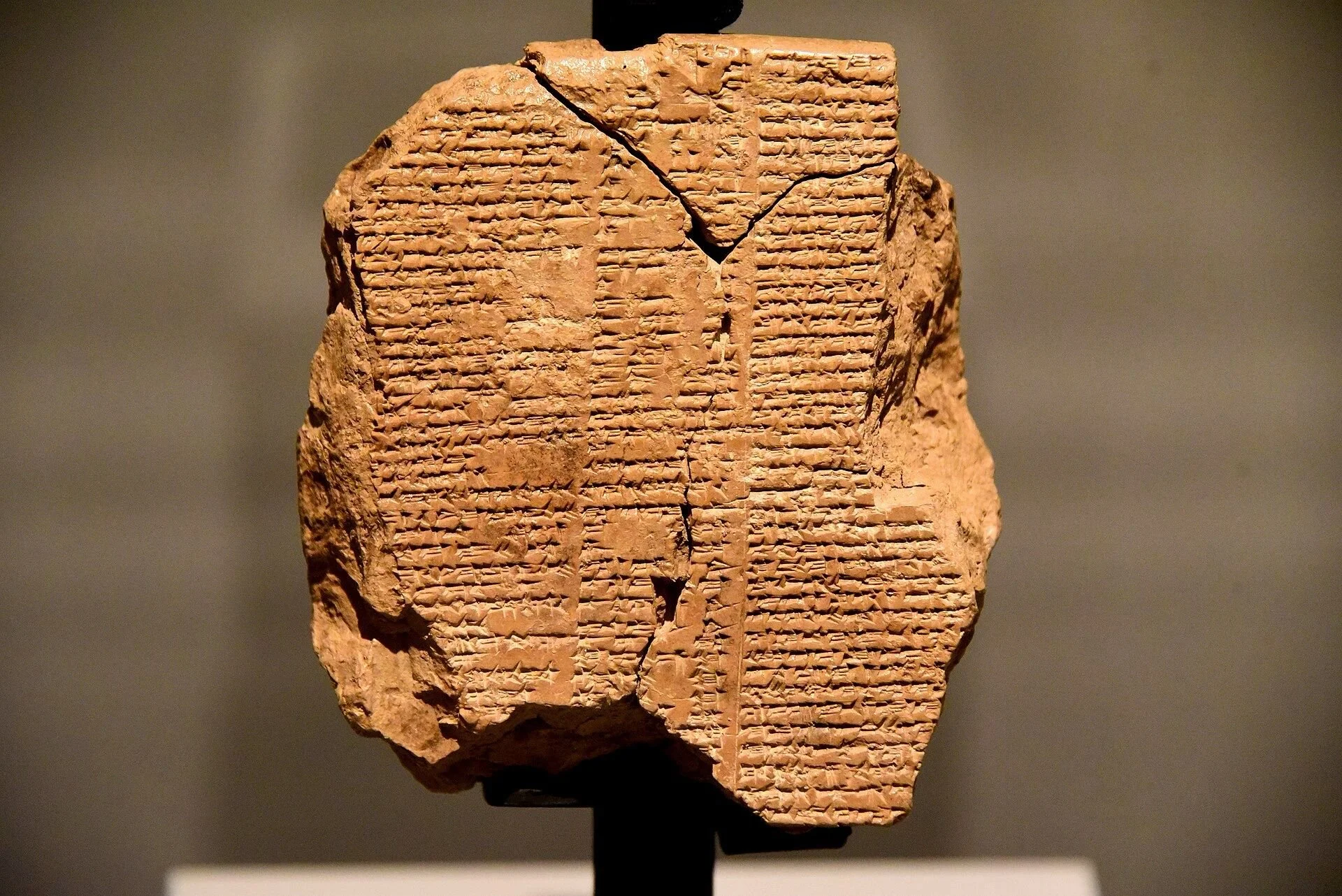
The Gilgamesh Tablet V provided 20 previously unknown verses of the epic tale Gilgamesh and his friend Enkidu, their wild adventures, and battling the demon king Humbaba in his lair within the Cedar Forest.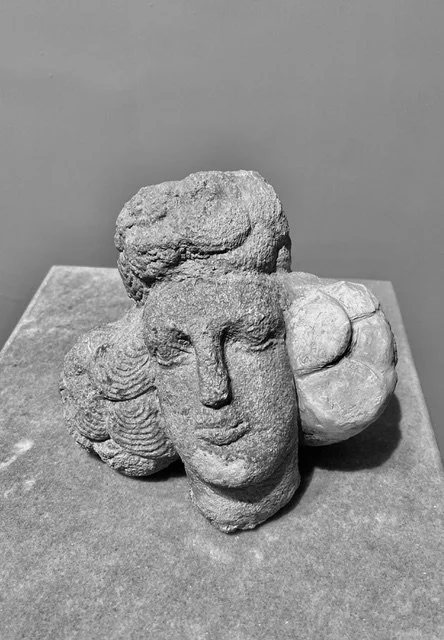
Some of the treasures currently on display at the museum.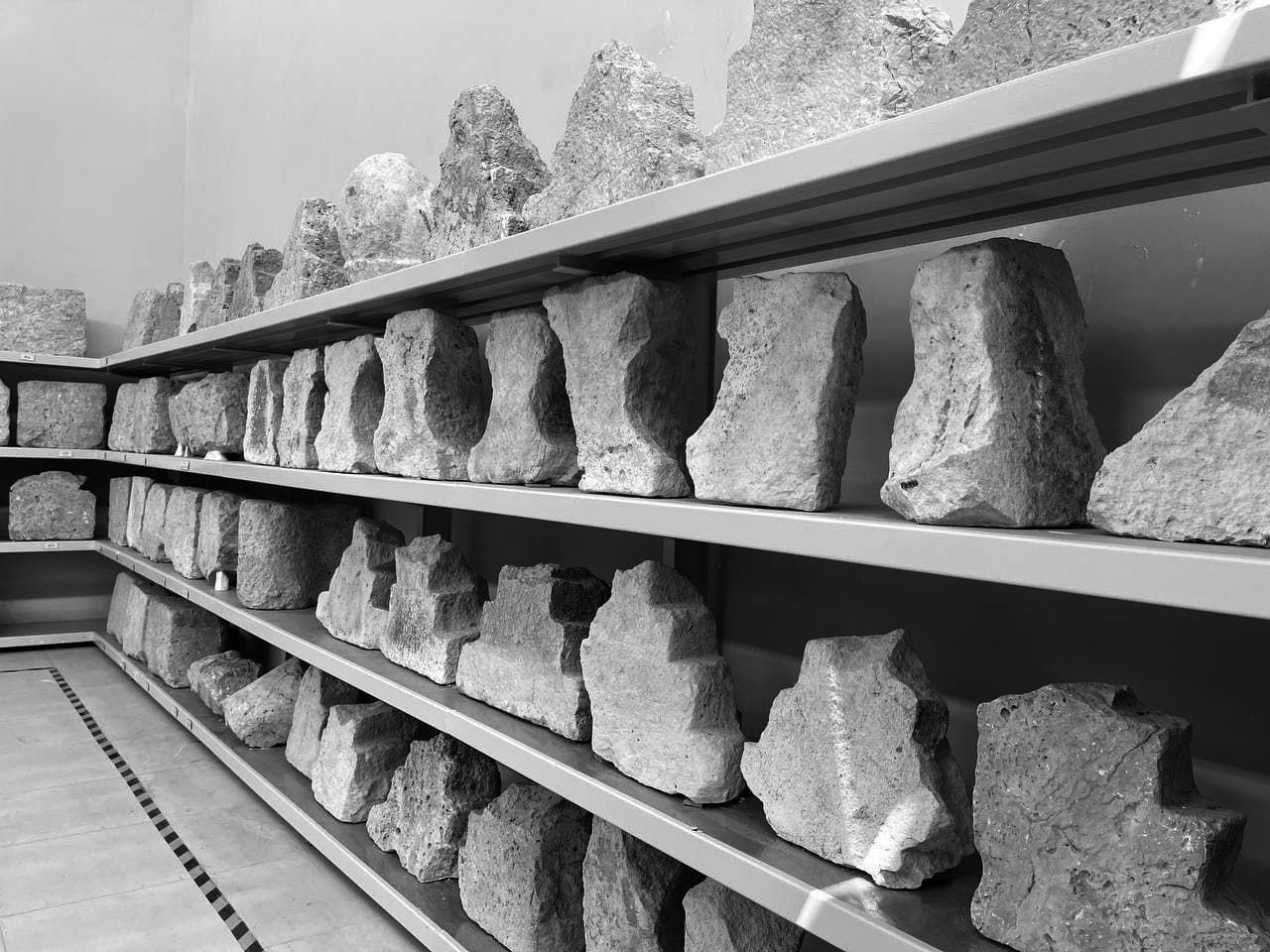
Many newly discovered stone blocks of the commemorative monument of the Sassanian king Narseh are displayed in Slemani Museum, in addition to many Sassanian coins and bullae.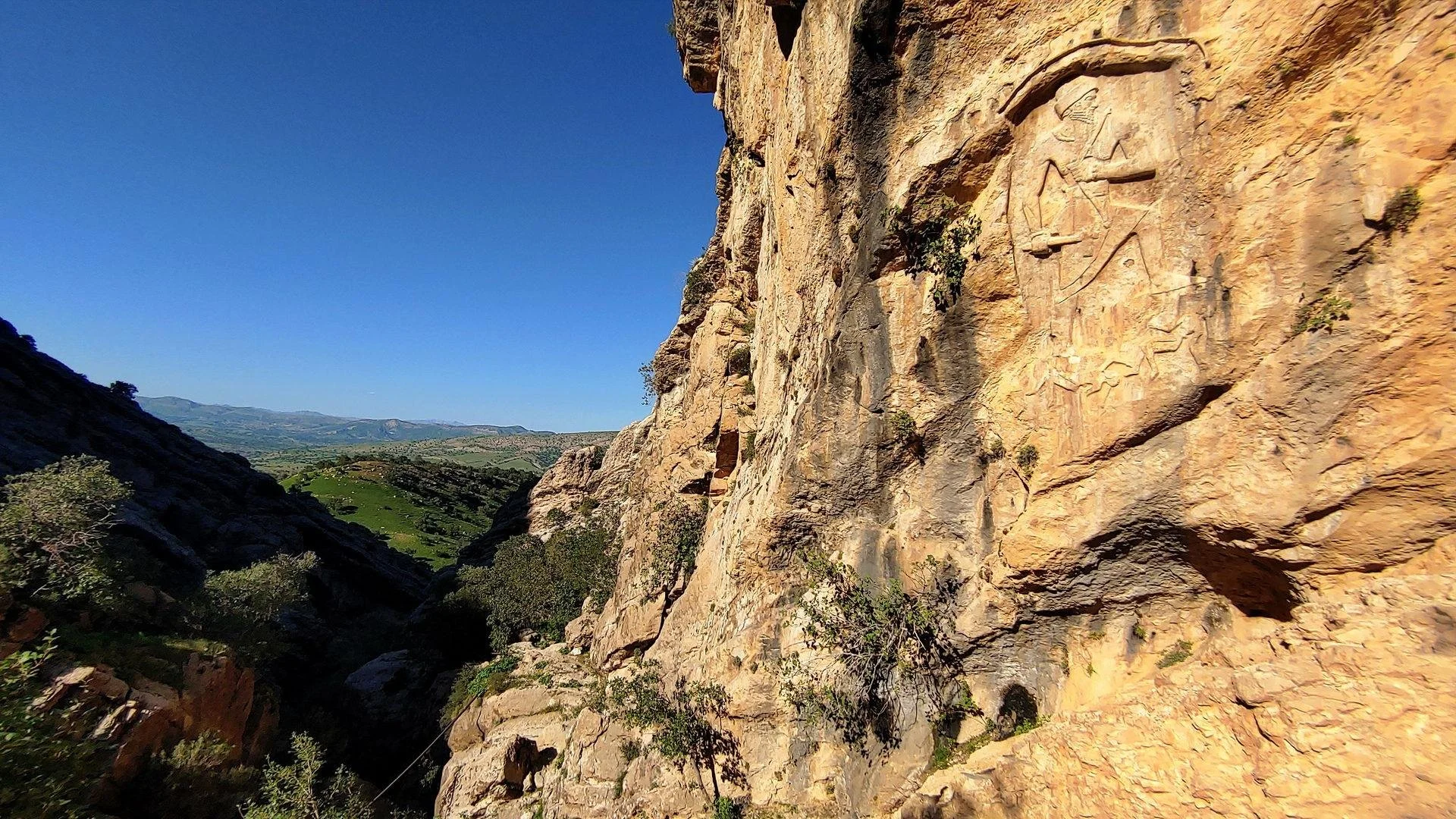
Darband-i-Gawr relief, near Sulaymaniyah.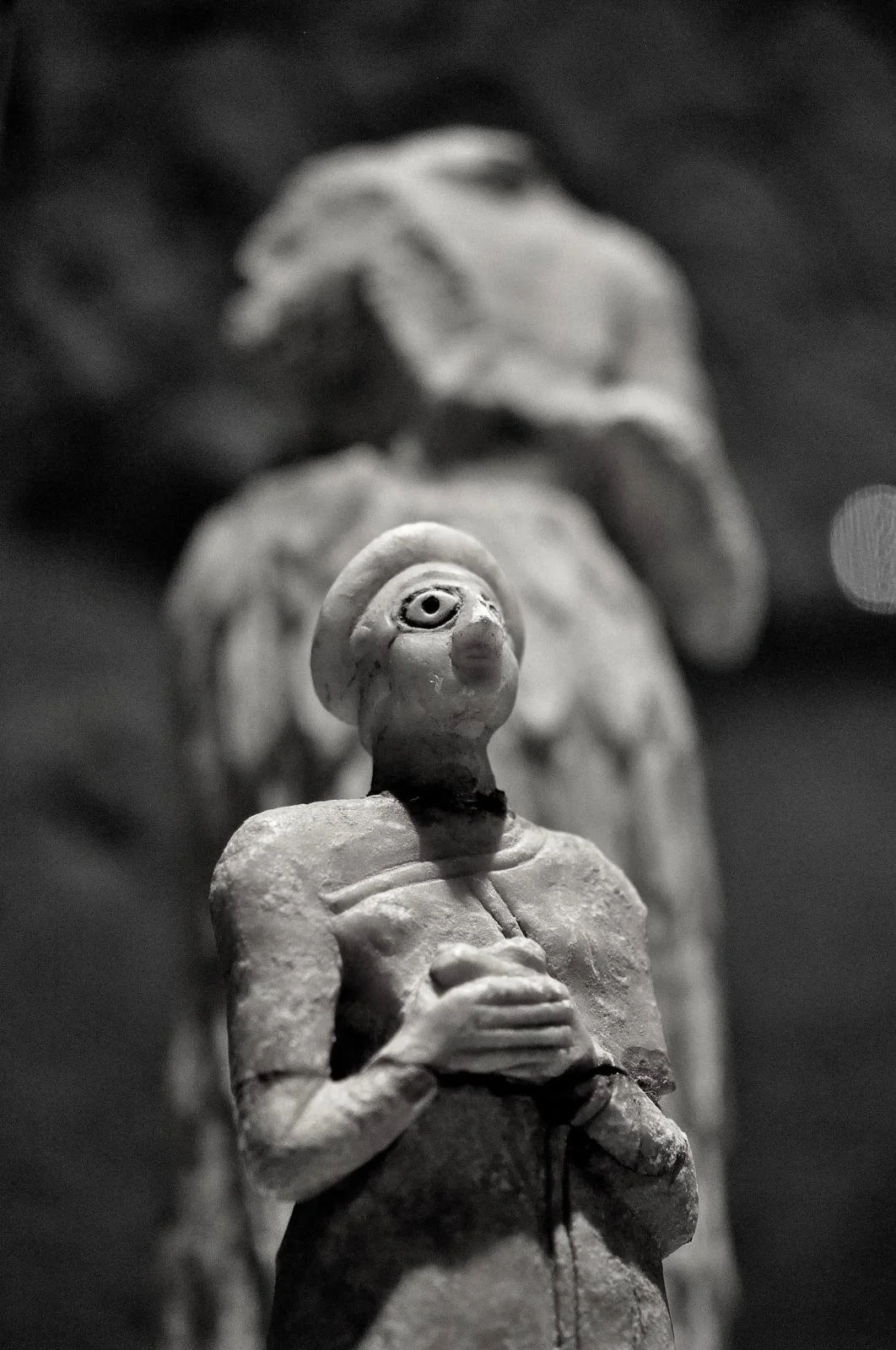
Statuette of Sumerian prayers / worshipers. From southern Mesopotamia.